Journal Square Living: Transit, Housing, And Lifestyle
May 7, 2026
May 7, 2026
Wondering whether Journal Square gives you the right mix of commute convenience, housing options, and everyday livability? If you are comparing Jersey City neighborhoods, this area stands out for one big reason: it is built around transit, but it is also changing fast. That can make it appealing if you want strong access to Manhattan and other parts of North Jersey without paying Downtown Jersey City prices. Here is what to know before you buy, rent, or invest in Journal Square. Let’s dive in.
Journal Square is more than a neighborhood stop on the map. Jersey City economic development materials describe it as the city’s main transportation and commercial hub, and the Journal Square 2060 Redevelopment Plan is centered on re-establishing it as Jersey City’s primary central business district.
That plan covers about 211 acres, 57 city blocks, and roughly 1,600 parcels. The vision includes transit-oriented housing, office space, commercial uses, and more public open space, which helps explain why Journal Square feels active, busy, and still in transition.
If you want a commute-first neighborhood, Journal Square delivers one of the strongest transit stories in Hudson County. The Journal Square Transportation Center is served by two PATH lines: Journal Square-33rd Street and Newark-World Trade Center.
NJ Transit identifies the station as accessible and notes parking and bike racks or lockers. In the January 2024 PATH ridership report, Journal Square logged 541,289 total entries and exits, plus 20,562 average weekday entries and exits, the highest New Jersey station total shown in that report excerpt.
That level of ridership matters because it shows how central the station is to everyday movement. For you, that can mean easier regional access, less car dependence, and a lifestyle shaped by walking to transit, errands, and neighborhood services.
Journal Square scores well for people who want to get around on foot. Redfin reports a 95 Walk Score and a 77 Transit Score for the neighborhood, which puts it in very walkable territory.
Compared with Downtown Jersey City, Journal Square has the same Walk Score but a slightly lower Transit Score. The practical takeaway is that both neighborhoods support car-light living, but Journal Square often enters the conversation for buyers and renters who want strong access with a different price point and streetscape feel.
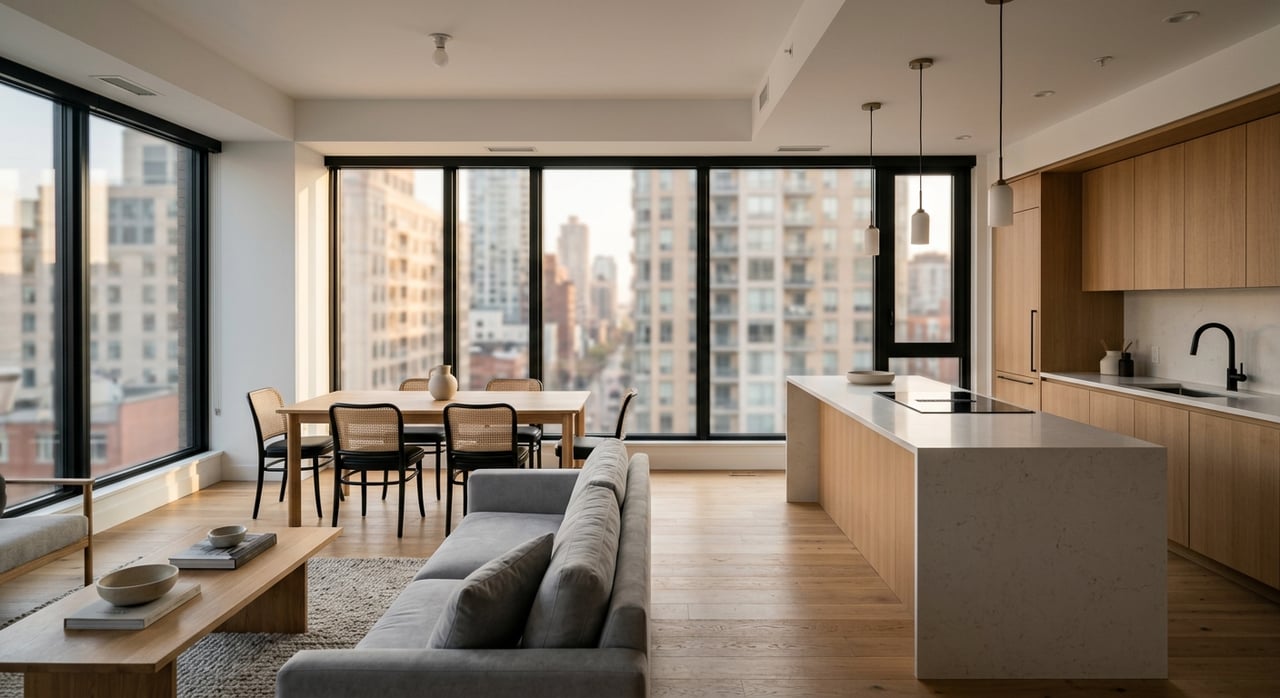
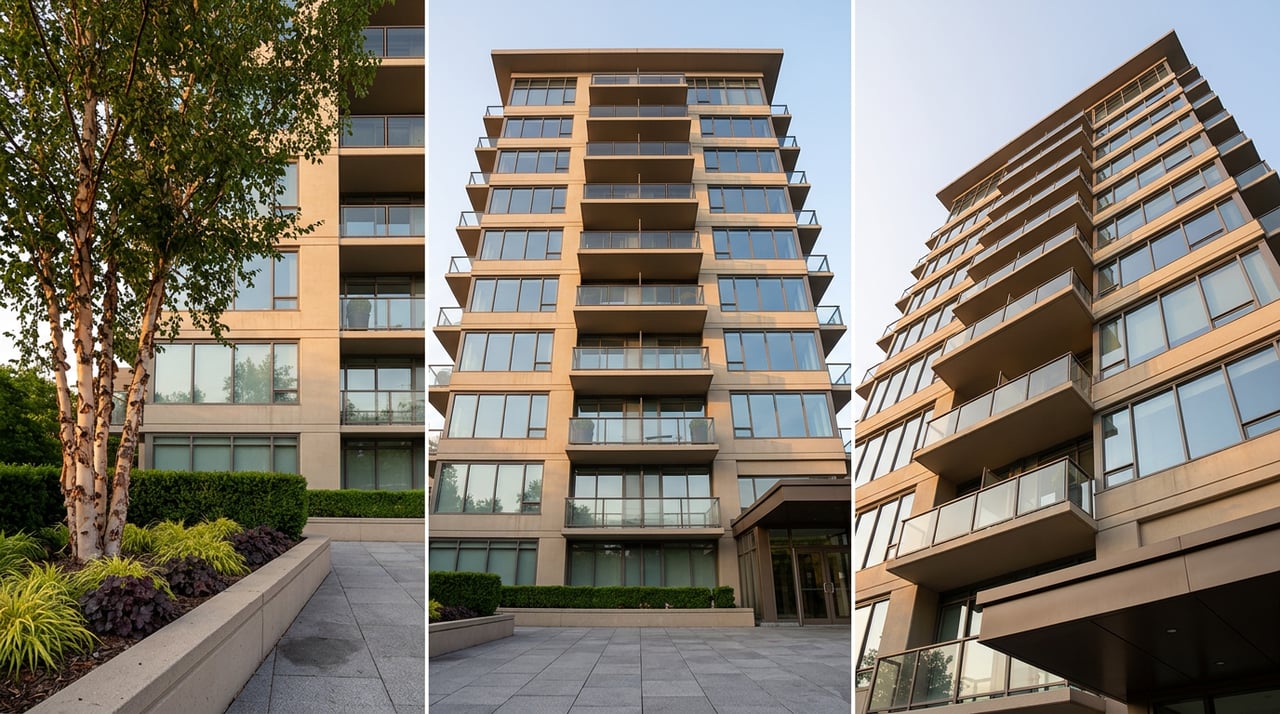
Housing in Journal Square is not one-note. You will see a mix of older buildings, condo inventory, apartments, multifamily properties, and newer development near transit.
That mix is backed up by city data. Ward C, which includes Journal Square, has Jersey City’s highest share of homes built in 1939 or earlier at 36%, while just over a quarter of homes were built after 1990.
This helps explain why the neighborhood can feel varied block to block. In one stretch, you may see older housing stock and long-established buildings. In another, you may find newer residential projects tied to the area’s long-term redevelopment plans.
If Journal Square feels apartment-heavy, the numbers support that impression. The same Ward C report shows the area has Jersey City’s second-lowest homeownership rate at 24%.
That points to a strongly renter-oriented market and helps explain why condos, apartments, and multifamily properties are such a visible part of the local inventory. For buyers, this can create opportunities across different property types. For investors, it also highlights the area’s long-standing rental orientation.
Price is one of the biggest reasons people look closely at Journal Square. In March 2026, Redfin reported a median sale price of $594,500 for the neighborhood, up 8.1% year over year.
That places Journal Square below Jersey City overall at $698,000. It also sits below Downtown Jersey City at $875,000, The Heights at $840,000, and Hoboken at $740,000, while remaining above Union City at $461,000.
Here is a simple way to view that pricing ladder:
| Area | Median Sale Price |
|---|---|
| Union City | $461,000 |
| Journal Square | $594,500 |
| Jersey City overall | $698,000 |
| Hoboken | $740,000 |
| The Heights | $840,000 |
| Downtown Jersey City | $875,000 |
For you, that means Journal Square often lands in a middle band. It is not the least expensive option in the wider market, but it can offer a more accessible entry point than some of Hudson County’s higher-priced urban neighborhoods.
Journal Square was somewhat competitive in March 2026, according to Redfin. Median days on market were 96, and the sale-to-list ratio was 98.5%.
Those numbers suggest a market that still sees demand, but not with the same speed or premium pressure you may associate with some nearby neighborhoods. If you are a buyer, that may mean a little more room to compare options carefully. If you are a seller, it reinforces the value of thoughtful pricing and strong presentation.
Journal Square is not a finished district, and that is important to understand upfront. The neighborhood’s growth is tied to a long-running policy framework, not a short-term burst of new buildings.
The redevelopment plan calls for higher-density housing near transit, neighborhood retail and restaurants, widened sidewalks, bicycle amenities, reduced parking requirements, and more parks, plazas, and open space. Journal Square was also designated a Transit Village in 2005, which shows that the area’s transit-oriented growth has been part of the city’s strategy for years.
Jersey City’s economic development plan says Ward C is undergoing rapid change, with more than 20,000 new residential units recently completed and or approved, along with retail services, restaurants, entertainment uses, Saint Peter’s University, and Hudson County Community College nearby. That combination of growth and activity helps explain why Journal Square feels like a neighborhood with momentum.
Lifestyle is not just about buildings and transit. It is also about what the area feels like when you step outside.
A 2024 city press release says Bergen Square was transformed into 5,400 square feet of pedestrian plaza and park space. The city is also moving forward with a 3-acre Courthouse Park, described as the first large park in Journal Square.
These changes matter because they point to a more balanced neighborhood experience over time. As new housing arrives, the city is also investing in places for walking, gathering, and spending time outdoors.
Journal Square’s identity is also shaped by what is coming next. Jersey City’s economic development materials say the renovated Loew’s Theatre and the Pompidou Museum are expected to open within the next few years.
That does not mean the neighborhood is fully built out today. It does mean Journal Square is evolving in ways that could add more street-level activity and cultural destinations over time.
For many buyers and renters, the real decision is not whether Journal Square works on its own. It is whether it works better for your priorities than Downtown Jersey City, Hoboken, The Heights, or Union City.
Journal Square typically appeals to people who want PATH access, strong walkability, and a lower price point than Downtown or Hoboken. Downtown still commands a premium, and its transit and bike scores are slightly higher, but Journal Square offers a different value equation.
Compared with The Heights, Journal Square is more transit-centered. Compared with Union City, it generally sits at a higher price point, but with a different commuter profile anchored by the Journal Square Transportation Center.
Two neighborhoods can both offer strong transit access and still present different property considerations. Redfin’s First Street data shows Journal Square with a moderate flood risk, with 9% of properties at risk of severe flooding over the next 30 years.
For comparison, Downtown Jersey City is shown with a major flood risk affecting 80% of properties. If you are weighing similar price bands and commute access, that contrast may become part of your neighborhood comparison process.
Journal Square can make sense if you are looking for:
It may be especially worth a close look if you want to compare the feel of an established-but-changing district against more polished or higher-priced nearby markets.
Journal Square’s biggest strength is also part of its tradeoff. You get major transit access and a broad housing mix, but you are buying into a neighborhood that is still changing.
For some buyers and renters, that is exactly the appeal. For others, a more built-out environment may feel like a better fit. The key is knowing whether you value commute efficiency, price positioning, and future growth potential more than a fully settled streetscape today.
If you are weighing Journal Square against Downtown Jersey City, Hoboken, or other Hudson County neighborhoods, a side-by-side strategy can save you time and help you focus on what matters most for your budget and lifestyle. Team Francesco can help you compare options with local insight and a concierge-level approach.

Experience Matters! Make Team Francesco your #1 choice for all your real estate needs. With nearly 25 years of experience, you can trust Team Francesco is the best in the business to guide you in even the most challenging markets.
Stay up to date on the latest real estate trends.

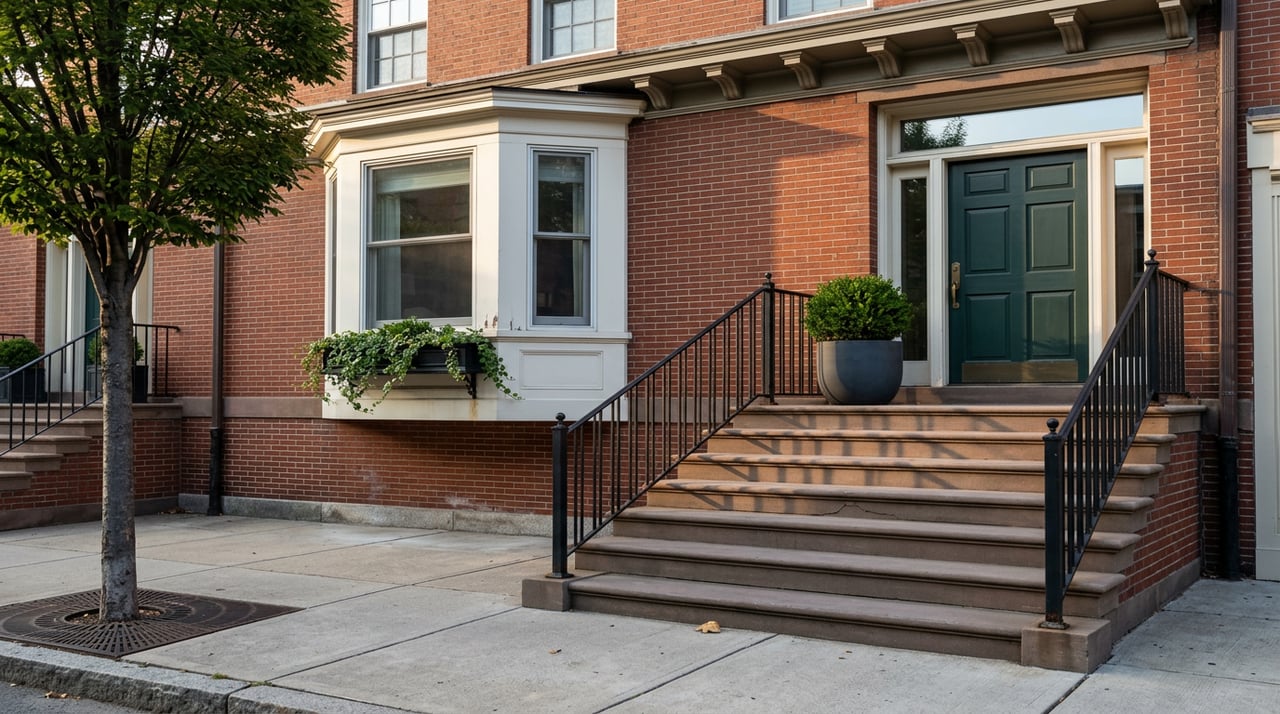
Your Guide to Buying a Historic Home in Jersey City's Landmark Neighborhoods.

Great Options Include Hudson Valley and the Poconos.
We are there to serve and educate you every step of way, whether you’re seeking or selling property in the local area, or relocating anywhere around the globe. Count on us to listen to your needs, respect your privacy, and deliver the best sales experience possible.