Downtown Jersey City Living With Condos, Culture, and Transit
April 16, 2026
April 16, 2026
If you want city energy without giving up waterfront views, transit options, and a real neighborhood feel, Downtown Jersey City deserves a close look. For many buyers and renters, the appeal is simple: you can find modern condo living, historic streets, and a strong cultural scene in one compact part of the city. This guide will help you understand how Downtown Jersey City blends condos and culture, and what that could mean for your next move. Let’s dive in.
Downtown Jersey City is both the city’s historic core and one of its busiest lifestyle hubs. According to an official NJDOT guide to Historic Downtown, the area is known for restaurants, shops, galleries, and preserved brownstones and row homes, with commercial activity centered around Grove Street and Newark Avenue.
That mix helps explain why Downtown feels layered instead of one-note. You can walk past older residential blocks, turn a corner to busy retail corridors, and then reach the waterfront with its larger buildings and open views. For many people, that variety is the biggest draw.
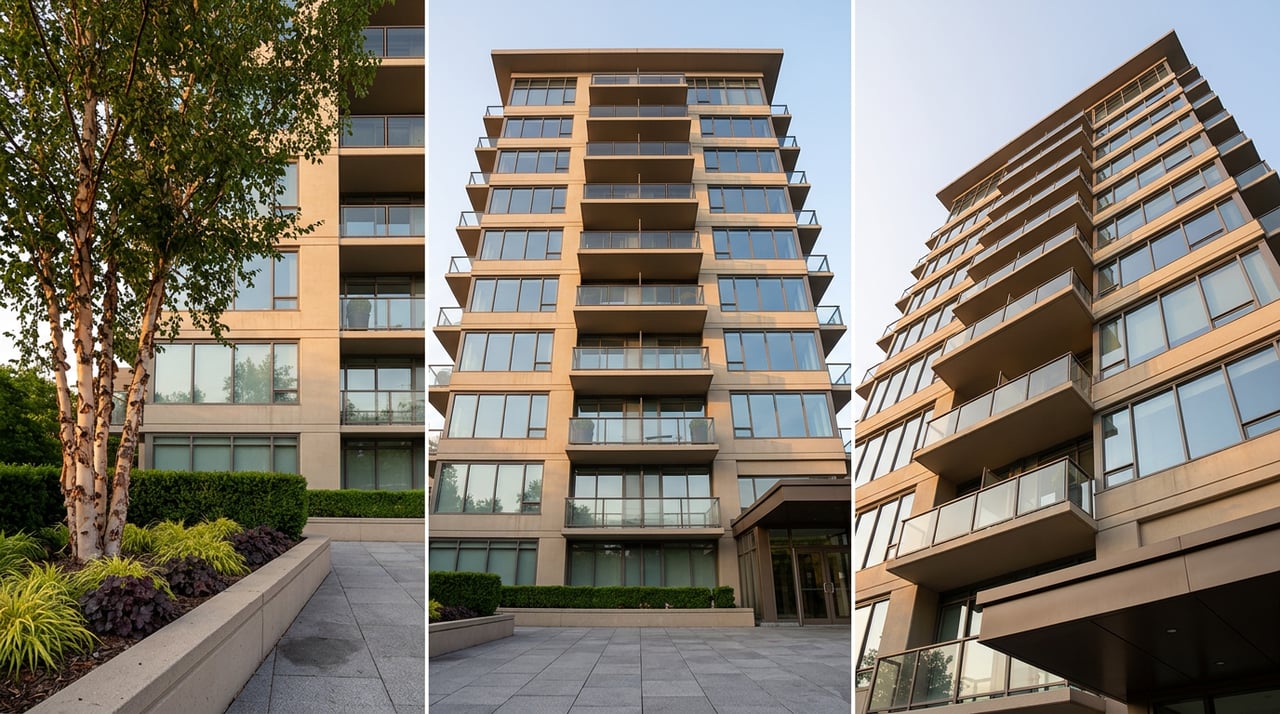
If you are searching for a condo in Downtown Jersey City, it helps to think in terms of two broad experiences. Near the Hudson, newer waterfront development has added more high-rise residential and mixed-use inventory. A city planning application for 150 River Drive describes three multifamily residential towers with ground-floor retail, amenity space, and open space, while redevelopment documents describe the wider Newport and Paulus Hook waterfront as a mix of offices, apartments, condominiums, restaurants, retail, and parks.
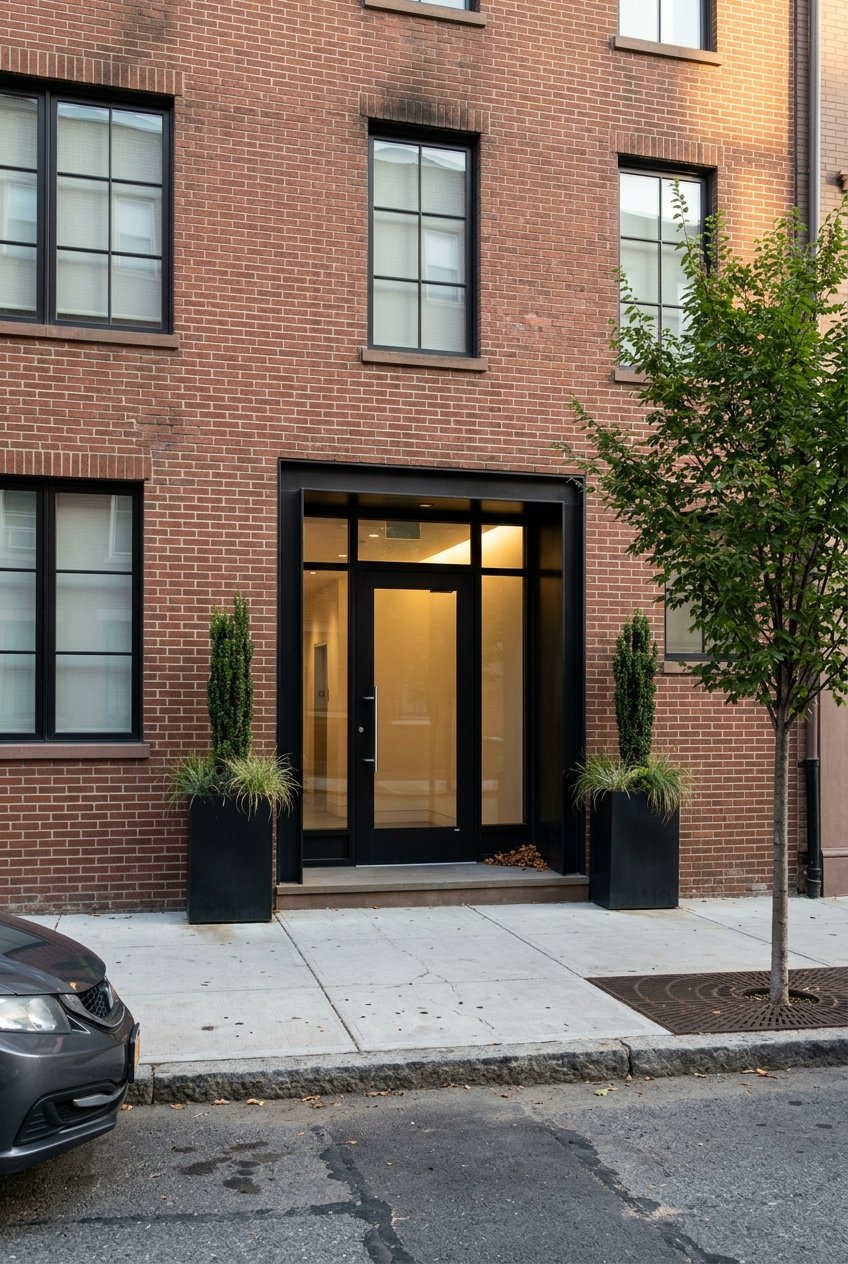
Farther inland, the streetscape shifts. Historic Downtown is more closely associated with lower-rise brownstones and row homes, creating a different feel from the glass-and-amenity towers along the waterfront. In practical terms, that means your condo search may involve a choice between newer buildings with contemporary features and older, more preservation-minded blocks with classic architecture nearby.
That split is important because it affects not just style, but daily living. Some buyers prioritize building amenities, elevator access, and waterfront proximity. Others care more about historic charm, quieter residential blocks, and being tucked into the neighborhood fabric.
Downtown Jersey City is not just old. Parts of it are formally protected. The City of Jersey City identifies four downtown local historic districts: Hamilton Park, Harsimus Cove, Paulus Hook, and Van Vorst Park.
If you are considering an older condo, townhouse, or converted property in one of these areas, historic-preservation rules may affect future exterior changes. That does not make these properties less appealing, but it does mean you should go in with clear expectations. Buyers often appreciate the character and continuity of historic blocks, but they should also understand that some exterior alterations can require preservation review.
Downtown Jersey City is part of a broader city market that is relatively expensive by regional standards. The U.S. Census Bureau’s Jersey City QuickFacts reports a citywide median gross rent of $2,007 and a median owner-occupied housing value of $566,900 for 2020 through 2024.
These figures are citywide, not Downtown-specific, but they still offer useful context. If you are budgeting for a purchase or comparing renting versus buying, it helps to know that Jersey City overall commands strong pricing. That makes planning, timing, and neighborhood-level guidance especially important.
Downtown buyers and renters should also be aware that Jersey City has an inclusionary zoning ordinance tied to affordability plans for many new developments, and the city oversees rent-control enforcement and short-term rental permits. These policies can shape the mix of available housing and are worth understanding as you compare building types and ownership options.
One of Downtown Jersey City’s strongest advantages is mobility. PATH service is the area’s defining cross-Hudson connection. NJDOT notes that three PATH lines serve Jersey City, and identifies Grove Street and Exchange Place stations as key Downtown transit anchors.
For many residents, that access changes the math of everyday life. You can live in a dense, amenity-rich neighborhood while keeping direct connections to Manhattan and other parts of the region. That is a big reason Downtown stays on the radar for NYC-oriented buyers, renters, and relocation clients.
Beyond PATH, the Hudson-Bergen Light Rail system map shows connections to Exchange Place, Newport Center, Hoboken Terminal, and western Jersey City. The waterfront also benefits from ferry service at Paulus Hook, with routes to Pier 11/Wall Street, Brookfield Place, and Midtown/W. 39th Street.
In some neighborhoods, walkability is more of a marketing phrase than a daily reality. Downtown Jersey City offers a stronger case. The city’s Pedestrian Plaza information notes that Newark Avenue includes a pedestrian mall between Grove Street and Erie Street, creating a more comfortable public space for dining, errands, and gathering.
That public realm adds to the neighborhood’s appeal in a very practical way. When key errands, restaurants, transit, and social spaces are all within walking distance, the area can feel more convenient and more connected. For buyers choosing between Downtown and a more car-dependent location, this is often a deciding factor.
NJDOT also describes Grove Street PATH Plaza as a place that hosts monthly artist festivals, a weekly music series, and a weekly farmers market. That kind of regular street activity helps Downtown feel active beyond work hours and beyond the standard commuter routine.
Downtown Jersey City is not just about housing stock and commute times. It also has a strong cultural identity. Jersey City’s Office of Cultural Affairs highlights the city’s art fairs, festivals, theater, film, and performing arts, and notes that JCAST includes nearly 1,000 participating artists across hundreds of venues.
That creative energy has deep Downtown roots. The city notes that JCAST began in Downtown Jersey City in 1990 as the Downtown Jersey City Artists’ Studio Tour before expanding citywide. This matters because it shows that the neighborhood’s arts reputation is not a recent branding effort. It has a long-standing connection to the local identity.
The Powerhouse Arts District planning framework also points to the area’s role in Jersey City’s cultural and entertainment economy. For residents, that can translate into a neighborhood atmosphere that feels more active, creative, and varied throughout the year.
If you picture yourself living somewhere that supports a true walk-out-the-door lifestyle, Downtown Jersey City checks many of those boxes. The city’s Food & Nutrition page lists the Historic Downtown Farmers’ Market at Grove Street PATH Plaza, the Newark Pedestrian Mall market, and the Van Vorst Park Farmers Market.
That matters because convenience is about more than transit. Access to markets, restaurants, and daily services can shape how enjoyable a neighborhood feels over time. In Downtown, many of those routines can happen on foot, which supports the area’s appeal for people who want an urban lifestyle with fewer car-dependent errands.
Downtown’s waterfront adds another layer to daily life. The Hudson River Waterfront Walkway is described by NJDEP as a continuous waterfront corridor spanning nine municipalities, with views of the Statue of Liberty, Ellis Island, and the Manhattan skyline.
That kind of access can make a dense neighborhood feel more balanced. You still get restaurants, towers, transit, and active streets, but you also have room to walk, recharge, and enjoy open views. For many condo buyers, that combination is hard to replicate.
Just south of Downtown, Liberty State Park adds even more open space. NJDEP says the park spans 1,212 acres and includes trails, picnic areas, Liberty Walk, and ferry access to the Statue of Liberty and Ellis Island. If you want urban living with easy access to larger-scale outdoor space, this is a meaningful advantage.
Downtown Jersey City tends to appeal to people who want several things at once. They want access to Manhattan, but they also want a neighborhood that feels lived-in. They want condo options, but they may also care about architecture, public space, culture, and waterfront access.
In many cases, Downtown is a strong fit if you are looking for:
The right building and micro-location depend on your priorities. Some buyers want full-service or amenity-driven living near the water. Others want a more intimate building or a location closer to historic blocks and neighborhood parks.
Before choosing a condo in Downtown Jersey City, it helps to narrow your search around how you actually live. Commute patterns, building style, walkability preferences, and appetite for historic-district considerations can all affect which part of Downtown feels like the best match.
A smart search usually starts with a few basic questions:
When you look at Downtown through that lens, the neighborhood becomes easier to evaluate. It is not just one thing, and that is exactly why so many people find it compelling.
If you are thinking about a move to Downtown Jersey City, the biggest advantage is having guidance that matches the neighborhood’s range. From waterfront condo buildings to historic blocks and lifestyle-driven micro-locations, working with a team that understands how these pieces fit together can make your search much more efficient. To explore your options with local insight and concierge-level support, connect with Team Francesco.

Experience Matters! Make Team Francesco your #1 choice for all your real estate needs. With nearly 25 years of experience, you can trust Team Francesco is the best in the business to guide you in even the most challenging markets.
Stay up to date on the latest real estate trends.

Your Guide to Buying a Historic Home in Jersey City's Landmark Neighborhoods.

Great Options Include Hudson Valley and the Poconos.


And How It Pays to Be an Informed Buyer in Jersey City.
We are there to serve and educate you every step of way, whether you’re seeking or selling property in the local area, or relocating anywhere around the globe. Count on us to listen to your needs, respect your privacy, and deliver the best sales experience possible.