By Team Francesco
Jersey City is a city of distinct submarkets, with Downtown, The Heights, Bergen-Lafayette, West Side, Greenville, India Square, and Journal Square each offering a different housing experience and street rhythm. We find that the process here moves best when clients understand from the start that one property search can cross brownstones, newer condo towers, townhouse-style homes, and transit-oriented developments in a matter of miles.
Key Takeaways
-
Know the neighborhoods: Jersey City changes quickly from district to district.
-
Expect variety: Brownstones, condos, and townhomes all compete differently.
-
Use transit context: PATH and light rail access shape daily life.
-
Stay strategic: Building type and block matter as much as price.
Start by Choosing the Right Part of Jersey City
Jersey City works best when the search begins with geography rather than square footage alone.
The areas we usually compare first
-
Downtown: Popular for Grove Street, Paulus Hook, and a more polished urban feel.
-
Journal Square: Strong transit access and visible redevelopment activity.
-
The Heights: A different housing mix with more neighborhood-style streets.
-
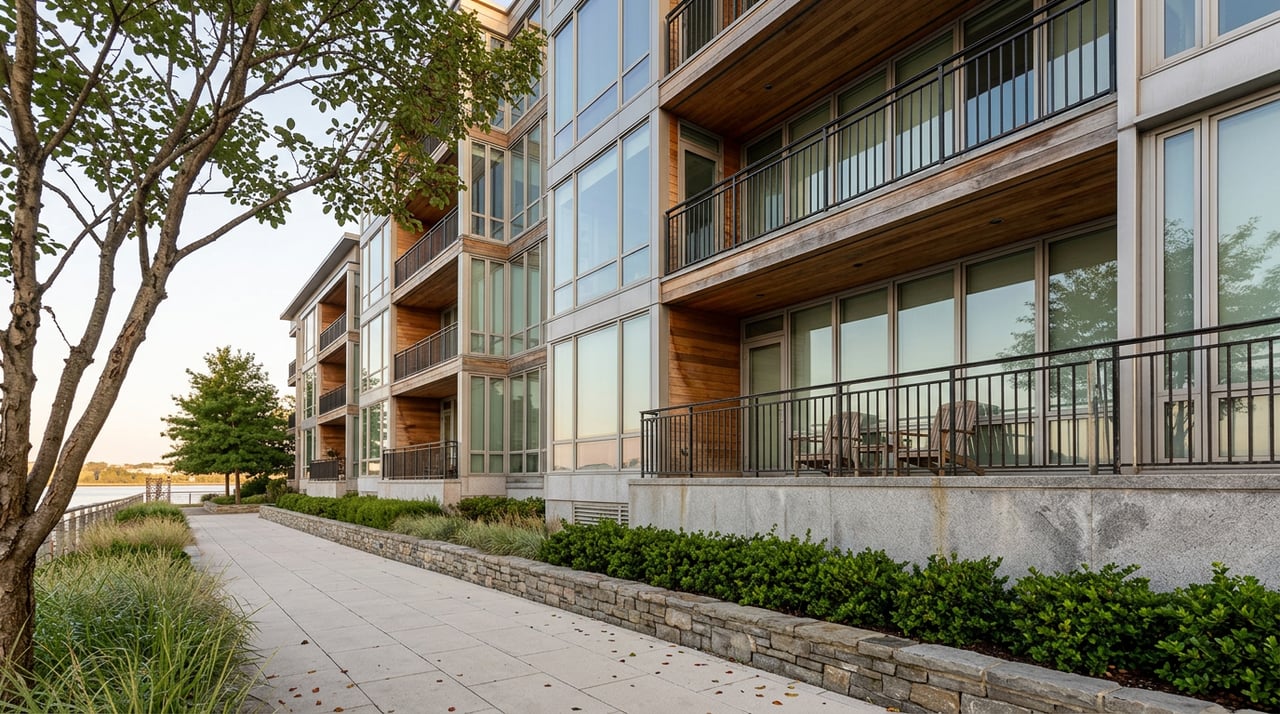
Waterfront districts: Newport and Exchange Place bring a high-rise luxury profile.
This gives clients a more realistic framework for buying a home in Jersey City, NJ, since neighborhood fit usually shapes satisfaction as much as the home itself.
Expect a Wide Range of Property Types
Jersey City offers far more variety than many first-time observers expect, and that range changes the search in practical ways.
The property categories that show up most often
-
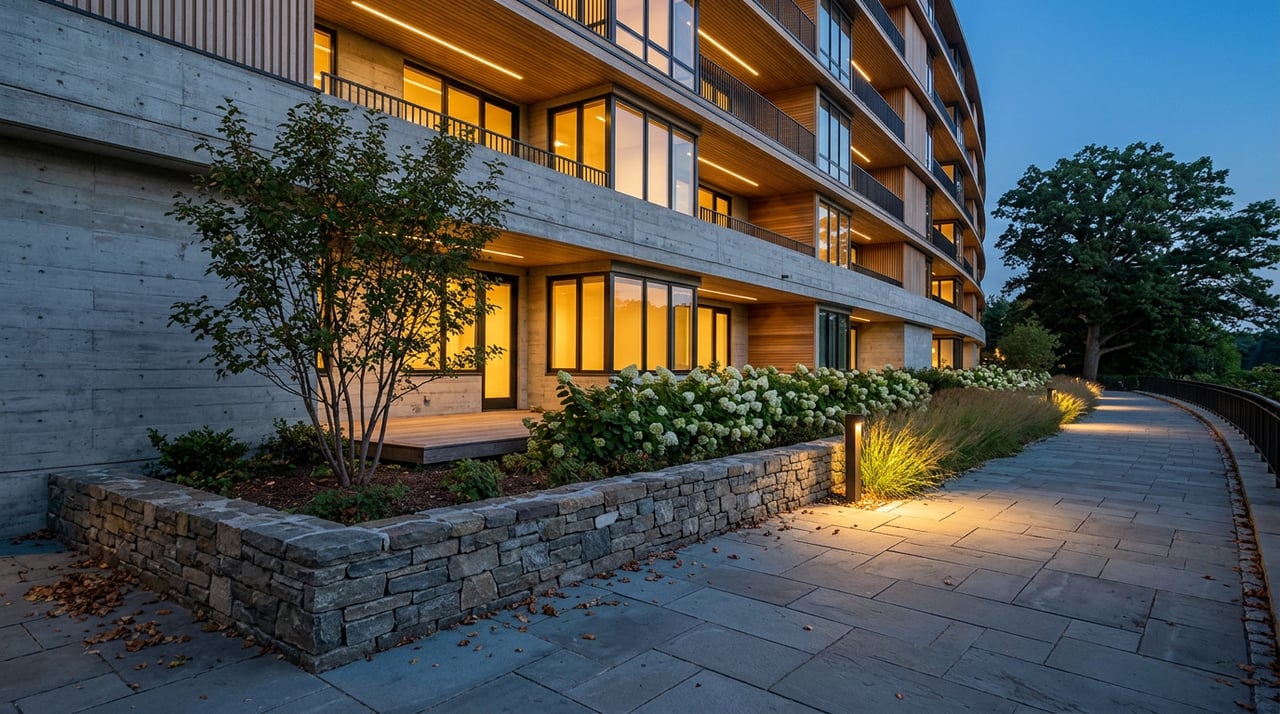
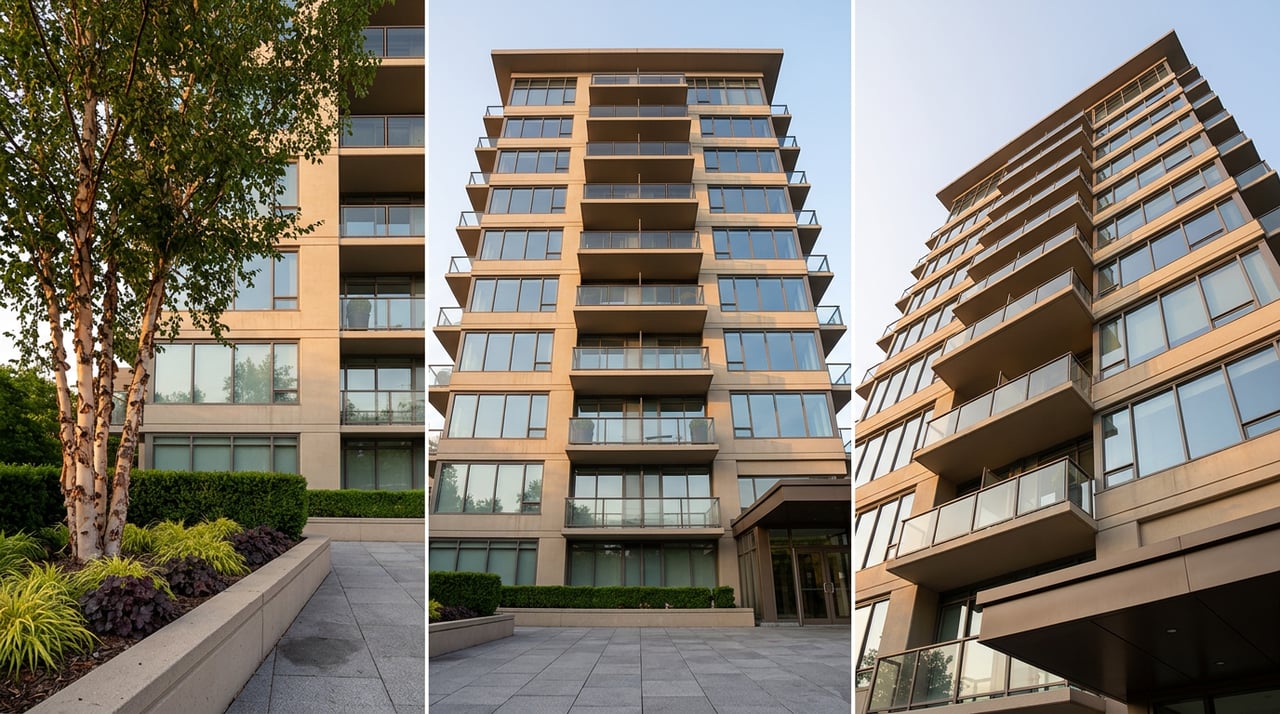
High-rise condos: Amenity-rich buildings with a more vertical lifestyle.
-
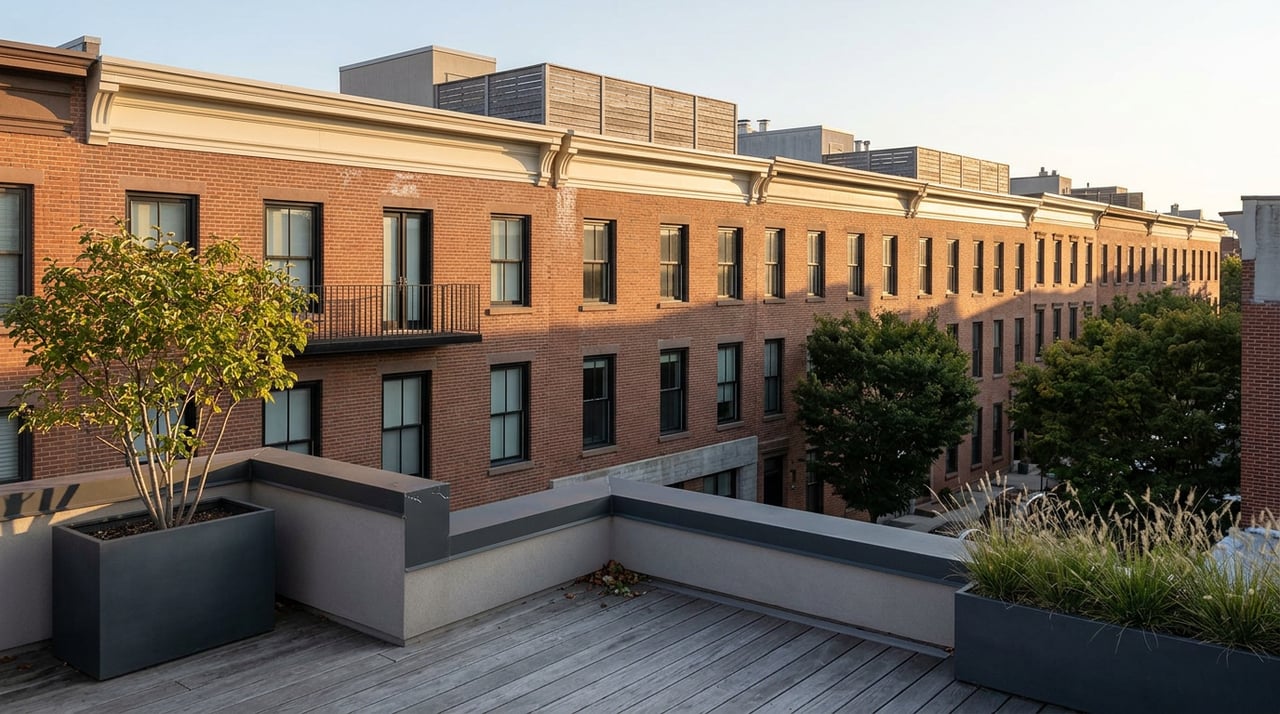
Brownstones and row houses: Older homes with stronger architectural character.
-
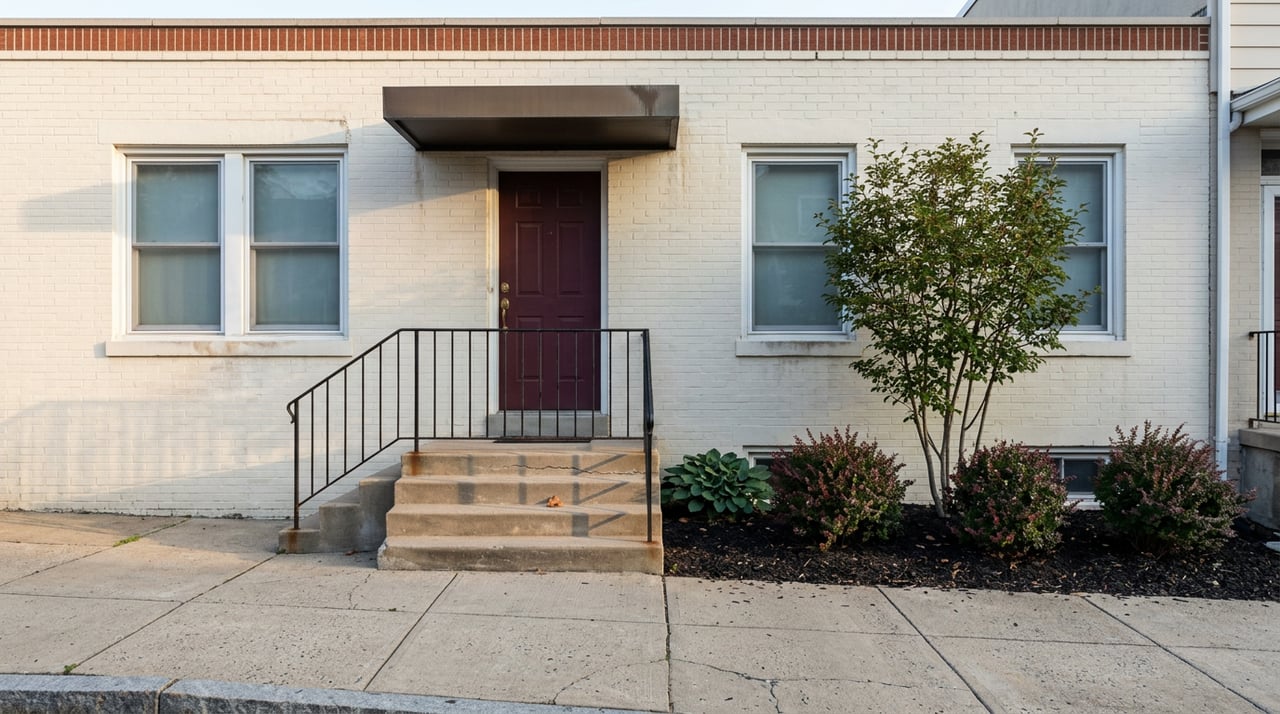
Townhomes: A hybrid option with more privacy and a more residential feel.
-
Boutique condos: Smaller buildings that can feel very neighborhood-specific.
Each category comes with a different ownership rhythm, and that affects how the search should be structured.
Transit Shapes the Search More Than Many People Expect
Transportation influences Jersey City housing decisions in a major way because the city’s appeal is closely tied to how easily people can move around Hudson County, Manhattan, and the rest of the region.
The transit details we review closely
-
PATH proximity: A major factor in several neighborhoods.
-
Light rail access: Useful for moving between Jersey City districts and nearby cities.
-
Bus options: Important in places like The Heights and other inland sections.
-
Commute rhythm: Timing and route comfort matter in the long term.
We always talk through transit patterns early, especially when Journal Square, Grove Street, Newport, and the light rail become part of the conversation.
Redevelopment and Planning Play a Visible Role
Jersey City is a dynamic market, and current redevelopment work continues to shape how certain neighborhoods are perceived.
The planning signals we watch
-
Journal Square 2060 planning: A major framework for long-term development.
-
Planning Board activity: Useful for understanding what is currently moving forward.
-
Transit-oriented growth: Important around major transportation hubs.
-
Redevelopment documents: Helpful for understanding where the city is headed.
We like to connect the property search to the city’s current planning story so clients understand how the area may continue to evolve after the purchase.
Building Quality and Block Context Matter Greatly
In Jersey City, two homes that look similar on paper can feel completely different once the building and the immediate surroundings come into focus.
The quality markers we focus on
-
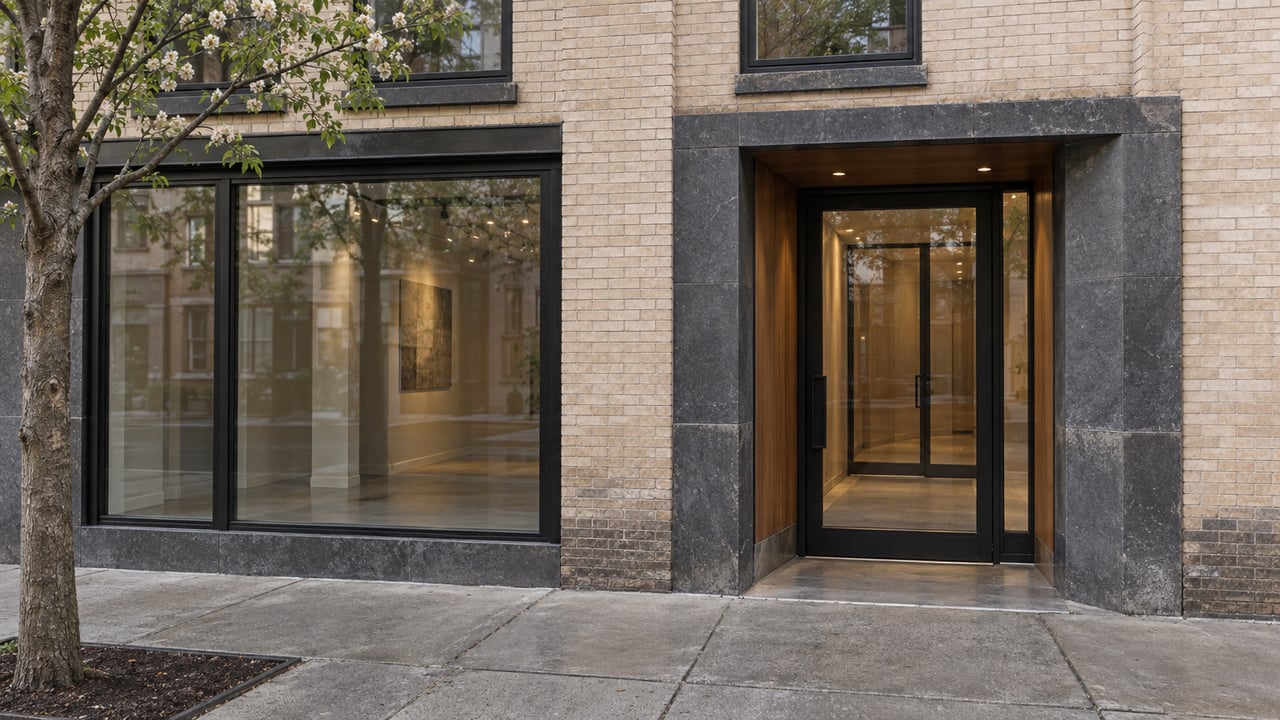
Building presentation: Lobbies, hallways, and exteriors shape first impressions.
-
Street character: Some blocks feel quieter, greener, or more established.
-
Layout efficiency: Flow matters, especially in condos and narrower homes.
-
Natural light: Exposure can change the mood of a home significantly.
These details make the process of buying a home in Jersey City, NJ more precise, because the strongest decisions usually come from matching the home to the exact block and building context.
FAQs
Which Jersey City neighborhoods should we usually look at first?
We usually begin with Downtown, Journal Square, The Heights, and the waterfront because those areas give a strong sense of the city’s range. Each one brings a different mix of housing stock, transit access, and daily atmosphere.
Does redevelopment really affect a home search here?
Yes, it often does, especially in areas like Journal Square, where official planning and redevelopment activity remain very active. That larger city context can shape both the near-term experience and the long-term feel of the neighborhood.
What is the biggest surprise for people new to this market?
The biggest surprise is usually how different one part of Jersey City feels from another. A short distance can completely change the housing type, the street pattern, and the overall pace of life.
Contact Team Francesco Today
We routinely help clients navigate Jersey City with a strategy that reflects the city’s real complexity, from Grove Street and Paulus Hook to Journal Square, The Heights, and the waterfront districts that continue to shape the skyline.
Contact us at
Team Francesco today, and we will help you approach the city with a clearer understanding of what fits your goals, your routine, and the kind of home that makes the most sense in this uniquely layered part of New Jersey.