By Team Francesco
Jersey City is one of those markets where the neighborhood matters almost as much as the property itself. That local complexity means choosing representation here requires more than finding someone with a license and a business card.
When clients ask us how to find a real estate agent, we always start with whether that agent can explain Jersey City block by block, building by building, and neighborhood by neighborhood.
Key Takeaways
-
Look local: Jersey City knowledge should be highly specific.
-
Check neighborhoods: Downtown and Journal Square require different strategies.
-
Expect clarity: Communication should feel direct and organized.
-
Use fit: The right agent should match your exact goals.
Start With Neighborhood-Level Expertise
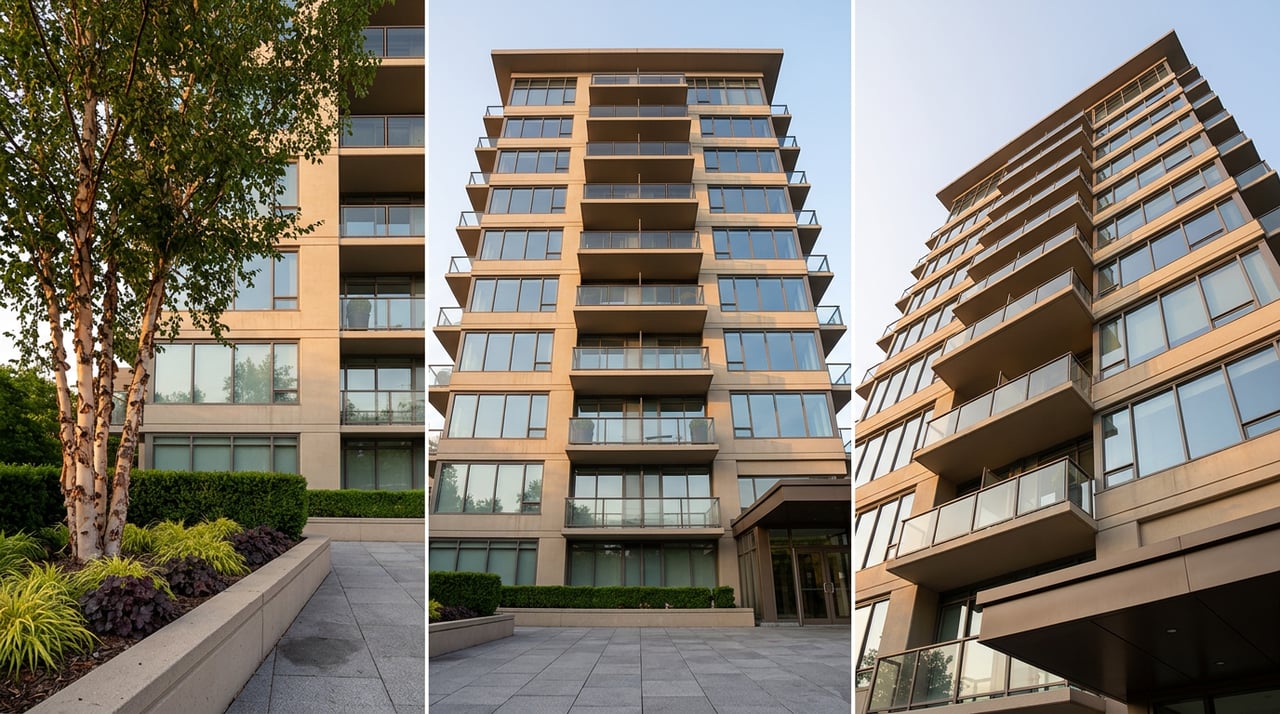
Jersey City is too varied for a one-size-fits-all real estate approach, especially when one client may be comparing a condo near Grove Street with a row house in The Heights or a newer tower residence near Newport.
The neighborhood knowledge to look for
-
Downtown familiarity: An agent should understand Grove Street, Paulus Hook, and the waterfront.
-
Journal Square insight: Transit-oriented development shapes the strategy here.
-
Heights perspective: This area has a different housing stock and street pattern.
-
Broader city awareness: Bergen-Lafayette, West Side, and Greenville all behave differently.
A good local agent should be able to explain why Downtown inventory, Journal Square redevelopment, and The Heights housing character each call for a different approach.
Make Sure the Agent Understands Jersey City’s Transit and Development Story
Jersey City real estate is closely tied to transit, redevelopment, and the way the city continues to evolve around its major hubs.
The city context an agent should explain clearly
-
PATH access: Commute patterns influence demand in several submarkets.
-
Redevelopment zones: Journal Square and Bayfront planning affect the conversation.
-
Waterfront positioning: Newport and Exchange Place have a different profile from inland neighborhoods.
-
Future growth: Development maps and planning activity should be part of the discussion.
We think this is one of the clearest tests of how to find a real estate agent, because anyone working effectively here should be able to connect the property to the broader planning and transportation picture.
Look for a Communication Style That Fits an Urban Market
Jersey City moves quickly, and the right agent should communicate in a way that matches that pace without creating confusion.
Communication habits that matter here
-
Fast follow-up: Timing matters when listings move quickly.
-
Clear explanations: Building rules and market shifts should be easy to understand.
-
Organized updates: Notes, next steps, and deadlines should stay visible.
-
Direct answers: Questions about location and pricing should get specific responses.
This communication style matters in any market, and it becomes even more important in a city where options range from historic brownstones to amenity-heavy towers.
Ask Whether the Agent Knows the Property Types You Are Considering
Jersey City includes row houses, condos, new-construction towers, converted industrial properties, and smaller multifamily homes, so property-type experience matters a great deal.
The property experience worth confirming
-
Condominium knowledge: Towers and boutique buildings come with different considerations.
-
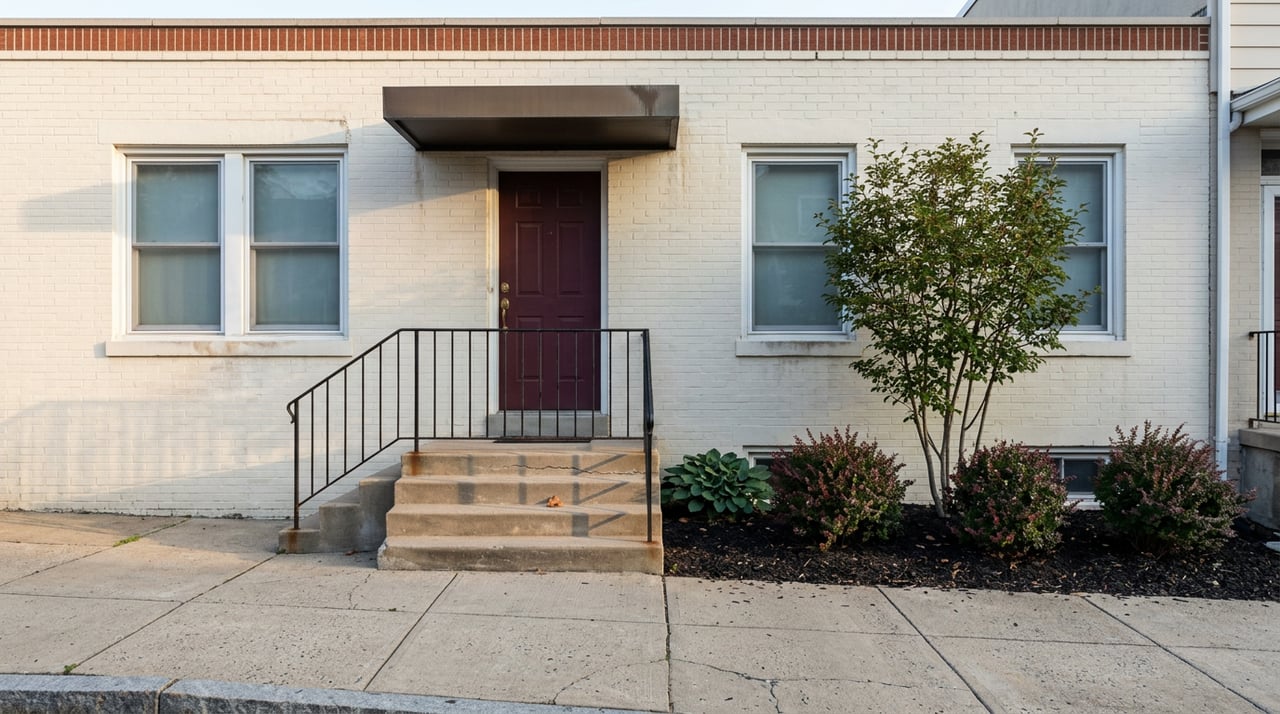
Townhouse experience: Older properties require a more detailed eye.
-
New development familiarity: Incentives, floor plans, and building positioning matter.
-
Multifamily understanding: Investment-style properties need a different lens.
This helps narrow the search because the best agent for a waterfront condo may not be the best fit for a brownstone-style home in a more established neighborhood.
Pay Attention to How the Agent Talks About Micro-Locations
A strong Jersey City agent should use more than neighborhood names and should speak comfortably about streets, blocks, transit distance, and immediate surroundings.
Signs of real micro-location knowledge
-
Street-level detail: The agent should discuss the block, not just the district.
-
Transit nuance: Walking distance and routing should be part of the explanation.
-
Commercial context: Nearby cafés, parks, and retail can change how an area feels.
-
Building positioning: Corner exposure, views, and street activity often matter.
This kind of detail is one of the best ways to evaluate how to find a real estate agent who truly understands Jersey City as a collection of smaller, highly distinct markets.
FAQs
Why is local expertise so important in Jersey City?
Jersey City behaves like several smaller markets inside one city, with Downtown, Journal Square, The Heights, and Bergen-Lafayette each offering a different experience.
Should an agent understand redevelopment and planning here?
Yes, that is very important because Jersey City continues to evolve through redevelopment, especially around transit-oriented areas like Journal Square and other major planning zones.
What is one of the best ways to judge whether an agent is the right fit?
We would listen for specificity. The strongest agents talk about blocks, building types, transit patterns, and neighborhood character in a way that feels immediate and grounded.
Contact Team Francesco Today
Jersey City stands out because it offers skyline-facing luxury towers, established residential streets, transit-centered growth, and neighborhood variety within one tightly connected urban market.
Contact us at
Team Francesco today, and we will show you how to find a real estate agent whose approach matches the exact pace, personality, and property type that fit your Jersey City goals.