By Team Francesco
Making an offer on a home involves more than agreeing on a price, and that's where contingencies come in. Real estate contingencies are the conditions written into a purchase contract that have to be satisfied before the sale can close, and they exist to protect both sides of the transaction rather than to slow it down. Understanding how they work before you're in the middle of an offer makes the whole process feel a lot more manageable.
Key Takeaways
- Contingencies are conditions, not obstacles, and most exist specifically to protect buyers.
- Inspection and financing contingencies are the two you'll encounter most often.
- An appraisal contingency keeps you from being locked into paying more than a home is worth.
- Weehawken's mix of condo and waterfront communities adds a few extra layers worth knowing about.
What Contingencies Actually Do
A contingency is simply a condition that has to be met by a certain point for a sale to move forward. If that condition isn't satisfied, the contract typically allows the buyer to walk away, often with their earnest money deposit intact. The two most common are the inspection contingency, which gives buyers time to have the home professionally evaluated, and the financing contingency, which gives buyers a window to secure loan approval before they're fully committed.
Most contingency periods run somewhere between 10 and 60 days from the date the contract is accepted, though the exact length depends on what's negotiated and what's typical in the local market. Knowing that range ahead of time makes it a lot easier to plan around each stage rather than feeling like the timeline is a moving target.
The Contingencies You'll See Most
- Inspection contingency: typically 5 to 7 days to complete a professional home inspection.
- Financing contingency: usually 30 to 60 days to finalize loan approval.
- Home sale contingency: often 30 to 90 days when a purchase depends on selling an existing property first.
The Appraisal Contingency and Why It's Worth Having
An appraisal contingency requires the home to appraise at or above the agreed purchase price in order for the sale to proceed as written. Lenders base their loan amount on the appraised value rather than the offer price, so this contingency exists specifically to keep buyers from being asked to cover a gap they didn't plan for. If the appraisal comes in lower than expected, buyers generally have a few paths forward, and none of them mean the deal is automatically dead.
Having options at that stage is really the point. A buyer can renegotiate the price with the seller, bring additional cash to cover part of the difference, or, if the numbers don't work, walk away and recover their deposit. That flexibility is exactly why this contingency is worth including rather than waiving unless there's a specific strategic reason to do so.
What Happens If an Appraisal Comes in Low
- The purchase price can be renegotiated to align with the appraised value.
- Buyers can choose to cover part of the gap with additional funds.
- Buyers retain the option to walk away with their earnest money if the numbers don't work.
How New Jersey's Attorney Review Period Fits In
New Jersey adds a step that buyers coming from other states aren't always familiar with: a three-business-day attorney review period that follows the signing of a realtor-prepared contract. During this window, either party's attorney can cancel the contract outright with no penalty and no explanation required, though far more often, the buyer's attorney sends a letter proposing changes or additional contingencies, and the seller's attorney responds until both sides land on final terms.
This period runs alongside, not instead of, the contingencies already built into the contract, and it's specifically designed to give both sides one more layer of protection before anything becomes fully binding. Once that initial letter goes out within the three days, there's no strict deadline to finish negotiating, though most attorneys move efficiently to keep the transaction on track.
What to Know About Attorney Review in New Jersey
- The three-day clock starts the first business day after both parties receive the fully signed contract.
- Either attorney can cancel during this window without needing to give a reason.
- Additional contingencies or contract changes are often introduced and negotiated during this stage.
What Makes Contracts in Weehawken a Little Different
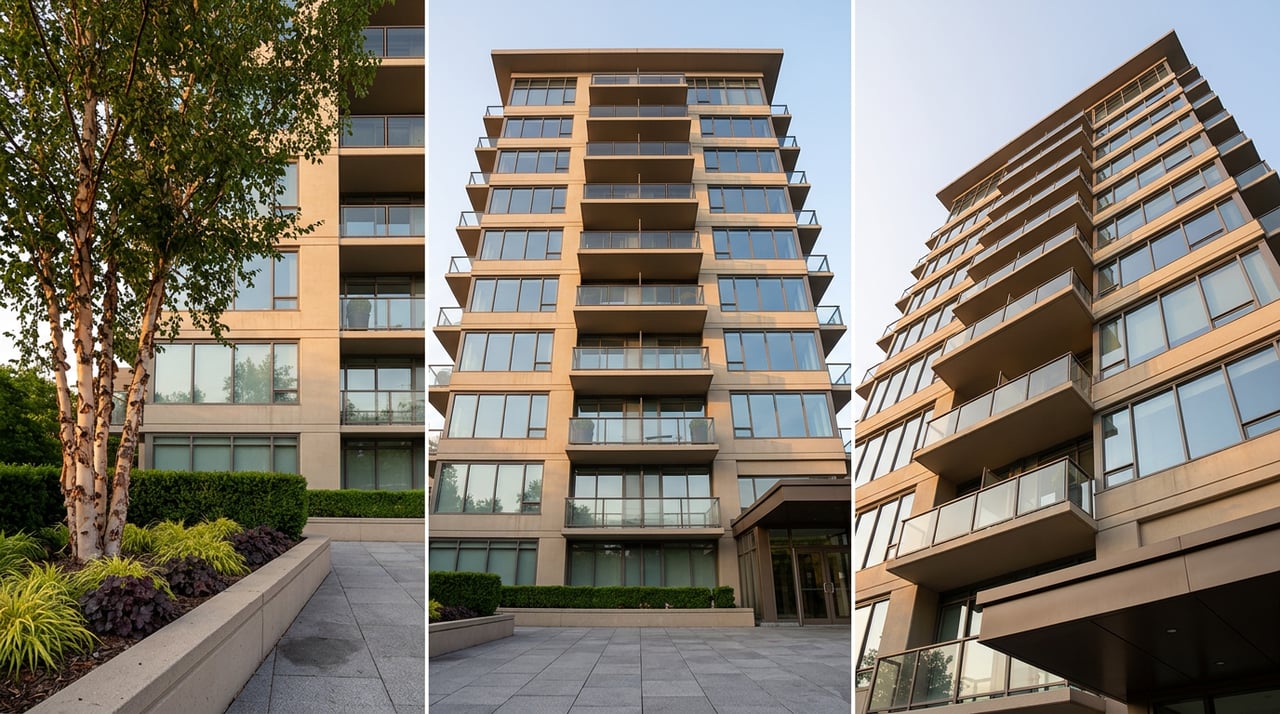
Weehawken's Hudson River waterfront has been steadily developed since the 1990s into a mix of condo buildings and townhouse communities, and local zoning specifically limits building heights to preserve the sightlines the township is known for. That combination means a meaningful share of homes here are part of larger associations, which is exactly why reviewing condo or HOA documents often becomes its own contingency alongside the standard inspection and financing pieces.
For buyers here, that just means budgeting a bit of extra time to review association budgets, rules, and any pending assessments before the contract moves past attorney review. It's a normal part of buying into a well-established waterfront community, not a red flag, and it's one more reason having the right guidance through each contingency matters here specifically.
Why This Matters for Weehawken Buyers
- Much of Weehawken's housing stock is part of condo or HOA communities along the waterfront.
- Reviewing association documents is a routine, expected step rather than a warning sign.
- Local zoning protections are part of what keeps the area's views and character intact long-term.
Frequently Asked Questions About Real Estate Contingencies
Can I make my offer more competitive by waiving contingencies?
You can, but it's worth weighing carefully. Waiving contingencies like inspection or appraisal removes some of the protections built in for your benefit, so it's a decision best made with a clear understanding of the trade-offs.
What happens to my earnest money if a contingency isn't met?
In most cases, if a contingency isn't satisfied and you cancel the contract within its terms, your earnest money deposit is returned to you. The specific terms of your contract will spell out exactly how that works.
Does New Jersey's attorney review period replace the need for other contingencies?
No, it runs alongside them. Attorney review is a separate window focused on the contract's legal terms, while contingencies like inspection and financing address the practical steps still needed to close.
Ready to Make Your Next Offer With Confidence?
Knowing how these protections work before you're staring down a deadline makes every step of the process feel far less uncertain. The right contingencies, handled well, are what let you move forward on a home with real confidence rather than guesswork.
If you're preparing to make an offer in Weehawken and want contract terms that actually protect you, let's talk through it.
Contact Team Francesco before you sign anything.