Montclair vs Jersey City: Which Fits Your Future?
July 2, 2026
July 2, 2026
Trying to choose between Montclair and Jersey City is really a question about how you want to live day to day. Both offer access to North Jersey and New York, but the feel, housing options, and rhythm of life are very different. If you are weighing space, transit, downtown energy, or long-term fit, this guide will help you compare the two with more clarity. Let’s dive in.
At a high level, Montclair offers a lower-density, more suburban setting with historic character and a strong arts identity. Jersey City offers a denser, more urban environment with broader transit options, mixed-use neighborhoods, and a more condo- and rental-driven housing mix.
That difference shows up in almost every part of daily life, from the type of home you are likely to find to how you commute, spend weekends, and use outdoor space. If you are deciding where to plant roots, it helps to compare each market through that practical lens.
Montclair had an estimated 44,633 residents in 2025, with a population density of 6,560 people per square mile. The township also had a 56.9% owner-occupancy rate, and the median value of owner-occupied homes was $906,400.
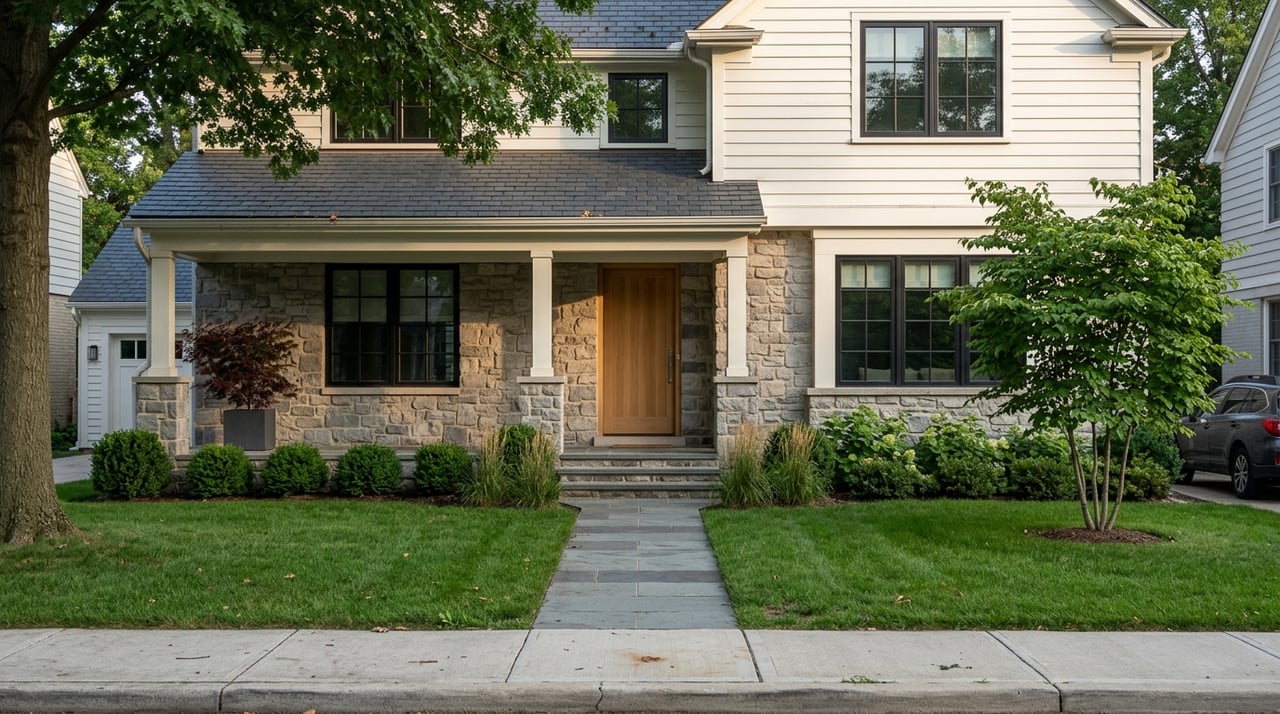
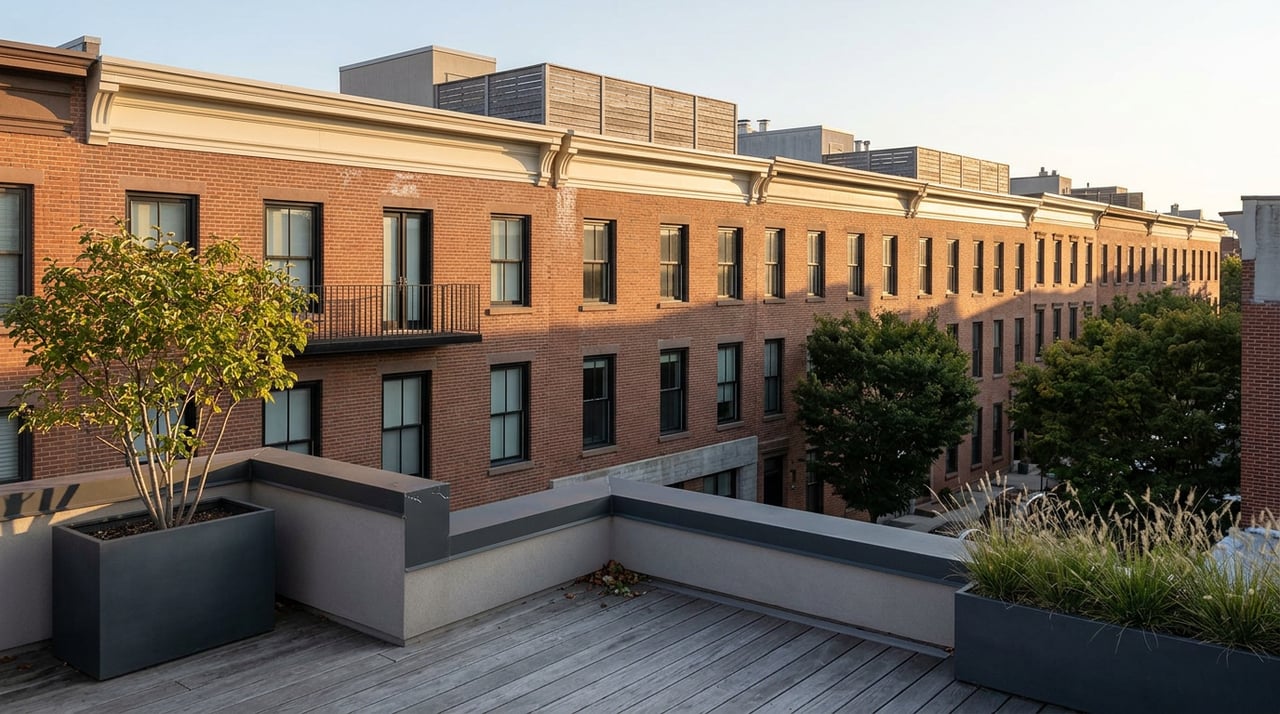
Official township materials describe Montclair as a community of grand old homes with a thriving arts scene. Its historic preservation materials identify four locally landmarked historic districts, including Upper Montclair and Watchung Plaza, which reinforces the area’s traditional residential character.
Upper Montclair offers an even more specific example of that profile. In the census-designated place, 85.8% of housing units were owner-occupied, and median gross rent was $2,237.
Jersey City had an estimated 302,013 residents in 2025 and a population density of 19,835.1 people per square mile. Only 27.9% of housing units were owner-occupied, and the median value of owner-occupied homes was $566,900.
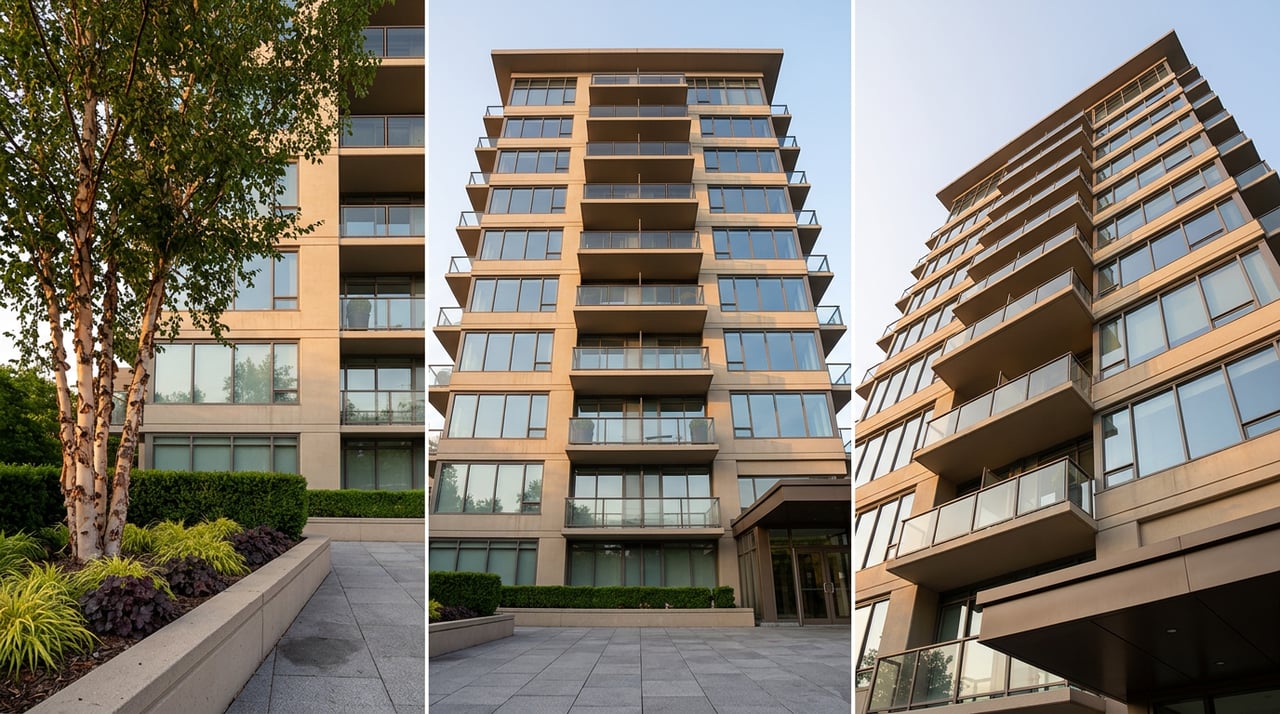
The city describes itself as an urban community where old factories have been repurposed into office buildings and housing units. That aligns with a market that feels more centered on condos, apartments, and mixed-use living than detached-home neighborhoods.
If you picture a home with more traditional suburban character, Montclair may feel like the better match. If you want a more urban setup with a denser residential environment and a larger renter presence, Jersey City may line up more closely with your goals.
It is also worth noting that rent levels are relatively close citywide. Median gross rent was $2,063 in Montclair and $2,007 in Jersey City, so the bigger contrast is often the type of housing and ownership pattern, not just monthly rent.
Montclair is primarily a rail commute market. NJ TRANSIT’s Montclair-Boonton Line serves New York Penn Station and Hoboken Terminal, with local stops including Montclair State University, Montclair Heights, Mountain Avenue, Upper Montclair, Watchung Avenue, Walnut Street, and Bay Street.
For many buyers, that creates a clear and familiar commuter setup. If you value train access and a more residential home base, Montclair offers a structured transit pattern that supports that lifestyle.
Jersey City offers more transit redundancy. PATH stations include Grove Street, Exchange Place, Newport, and Journal Square, with direct service to World Trade Center and 33rd Street.
In addition, NY Waterway runs weekday commuter ferry service from Paulus Hook to Midtown/W. 39th Street. For buyers who want more than one way to reach Manhattan or move around the region, Jersey City provides a broader transportation network.
Average commute times are fairly similar at a citywide level: 35.6 minutes in Montclair and 36.8 minutes in Jersey City. These figures reflect all workers, not just Manhattan commuters, so they are best used as a general lifestyle indicator.
The bigger takeaway is not the average number of minutes. It is whether you prefer a rail-based suburban commute or a more layered transit environment with PATH and ferry options in the mix.
Montclair Center represents more than 400 retailers and restaurants along Bloomfield Avenue and nearby streets. The township also describes lively business districts with restaurants, movie theaters, shops, nightlife, and a strong arts community.
Culture is a major part of Montclair’s identity. The township highlights the Montclair Art Museum, the Wellmont Theater, Montclair History Center, Peak Performances at Montclair State University, the Yogi Berra Museum and Learning Center, Montclair Film, and Presby Memorial Iris Gardens.
If you want walkable downtown activity with a civic, arts-forward feel, Montclair stands out. The experience tends to feel more like a connected town center with strong local identity.
Jersey City’s downtown and waterfront feel more like a continuous urban district. The Historic Downtown Special Improvement District supports Historic Downtown Jersey City as a place to live, work, and visit, with events like a year-round farmers market at Grove Street PATH Plaza and the All About Downtown street fair on Newark Avenue.
The city also notes that JCAST draws thousands and spans roughly 120 venues across all six wards. That points to a cultural scene that is broad, active, and spread across a much larger urban footprint.
If you want more constant city energy, Jersey City offers that intensity. The blend of mixed-use streets, waterfront areas, and event activity gives it a very different pace from Montclair.
Montclair Township says it has approximately 175 acres of parks. The area also benefits from nearby Essex County parks such as Brookdale Park at 42.74 acres and Eagle Rock Reservation at 408.34 acres.
Eagle Rock Reservation includes trails, a scenic observation deck, and a 9/11 memorial. Together, these spaces support a park experience that feels integrated into everyday suburban life.
Jersey City has major destination parks. Liberty State Park is open daily from 6 a.m. to 10 p.m., has no entrance fee, and offers dramatic waterfront views with the Manhattan skyline, Statue of Liberty, and Ellis Island in the backdrop.
Hudson County also describes Lincoln Park as a 273-acre park and the oldest and largest in the county park system. These are meaningful outdoor assets, especially if you value large-scale open space tied to waterfront or county park experiences.
Both places offer access to parks, but the feel is different. Montclair’s outdoor setting tends to support a neighborhood-oriented suburban pattern, while Jersey City’s green space often feels more destination-based and urban in context.
When buyers compare Montclair and Jersey City, the best answer usually comes from lifestyle priorities, not just price points or square footage. Ask yourself where you want your everyday routine to happen: in a lower-density town with historic character, or in a transit-rich city with more urban momentum.
That clarity can save you time and help you focus on the right neighborhoods, property types, and next steps. A good search starts with the life you want to build, then works backward into the housing options that support it.
If you are weighing North Jersey options and want guidance tailored to your goals, Team Francesco can help you compare locations, narrow your search, and move forward with confidence.

Experience Matters! Make Team Francesco your #1 choice for all your real estate needs. With nearly 25 years of experience, you can trust Team Francesco is the best in the business to guide you in even the most challenging markets.
Stay up to date on the latest real estate trends.

The Built-In Protections Behind Every Strong Offer.
Your Guide to Buying a Historic Home in Jersey City's Landmark Neighborhoods.
We are there to serve and educate you every step of way, whether you’re seeking or selling property in the local area, or relocating anywhere around the globe. Count on us to listen to your needs, respect your privacy, and deliver the best sales experience possible.